

Publish Date: November 5th, 2025
Grilling the Perfect Medium Rare Steak
A beautifully grilled steak is as close to culinary perfection as you can get. A soufflé can be impressive and a charcuterie plate has its place, but nothing can compete with the near-universal appeal of a golden-brown and delicious New York strip steak or well-marbled ribeye.
But do you know how to get that steak cooked just right? And what does medium rare really mean, anyway?
With so many different ways to cook steak, it takes some time, reading, and trial-and-error to figure out which approach is best for you and your palate. Luckily, every technique can be mastered quickly once you're equipped with the right steps and a few key tips.
In this guide, you'll learn how to grill a medium-rare steak, how cooking temperature and quality interact, and what you can do to ensure a perfect grill even if your instant-read thermometer has gone AWOL.
Table of Contents
What is a Medium-Rare Steak and Is It Safe?
Selecting the Right Steak
How to Grill a Medium-Rare Steak
Methods for Checking for Medium-Rare Doneness
Grill Master Steak Tips
Grilling A Medium Rare Steak FAQs
What is a Medium-Rare Steak and Is It Safe?
A medium-rare steak can be identified in three easy ways:
- Temperature: A medium-rare steak has an internal temperature of 130-135°F (54-57°C).
- Touch: A steak that's perfectly medium rare will have an exterior that's beginning to firm up and an interior that's still soft and tender.
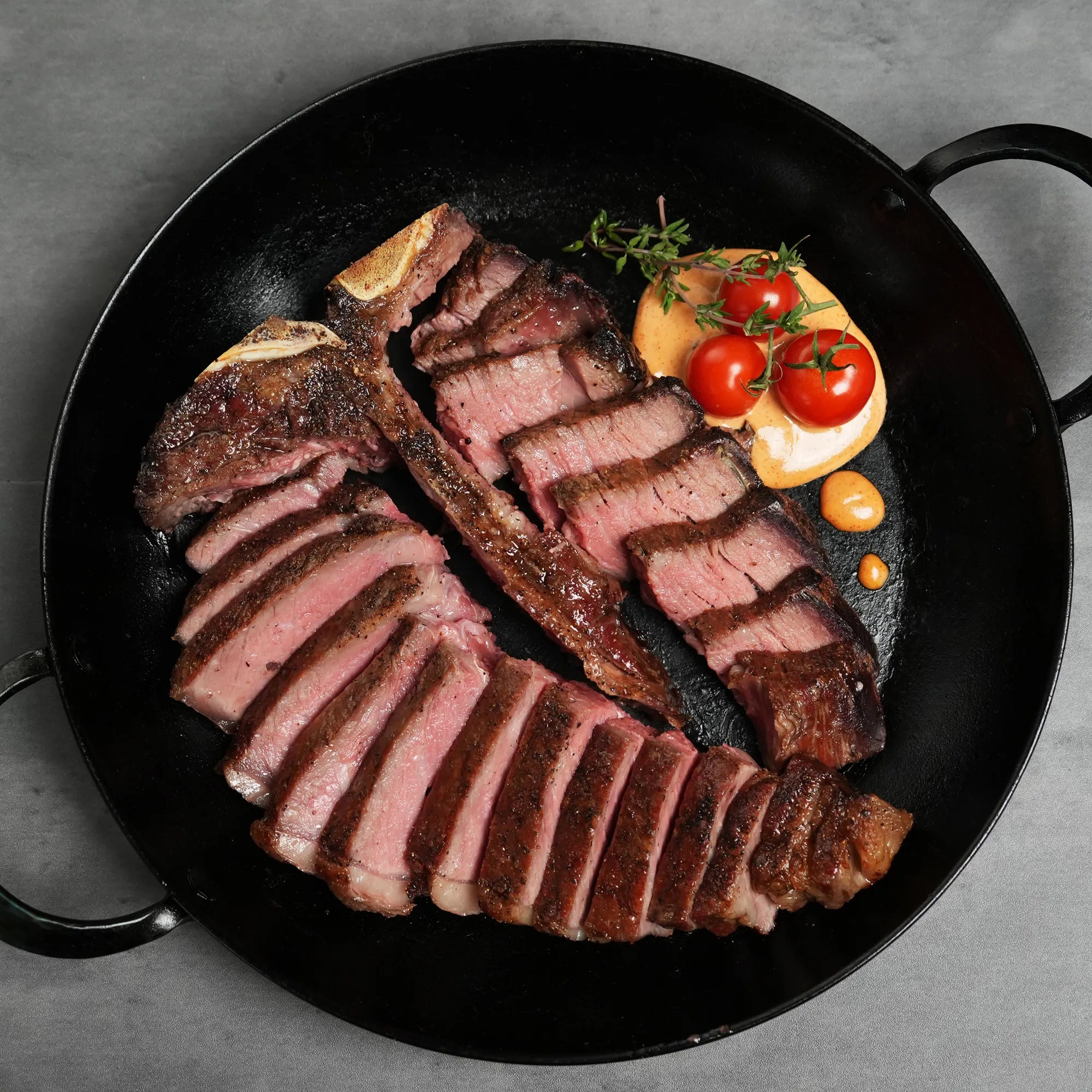
- Sight: Properly cooked medium-rare steak should have a beautifully browned crust on the outside and a center that's primarily red.
Once you hit that 130-135°F range, any harmful bacteria in the meat will be killed. Eating undercooked meat can increase the risk of food borne illness, so always purchase your proteins from a reputable source and cook steak promptly and properly.
Selecting the Right Steak
Different cuts come from different areas of the cows body, and the type of steak cut you choose to toss on the grill can help determine everything from how tender your steak will be to how long you need to cook it.
Type of cut
Meat from lesser-used areas of the cow is more tender than meat from a well-muscled, heavily used part of the body. So, a tenderloin from under the rib area will be downright succulent once kissed by the grill. A portion of the leg, like the shank, will be much tougher and need a long braise to reach perfection.
Marbling
Steaks with evenly distributed marbling, typically found in the Wagyu category, have thin ribbons of fat that succumb to heat fairly early on in the cooking process. Compare that to lower-quality steaks that have larger globs of fat concentrated in a few areas. Those dense pockets of fat need more heat to break down, meaning you might have to cook the steak past medium rare to go from chewy to tasty.
Size/thickness of the steak
It's difficult to cook a thin cut of meat to medium rare without sacrificing that exterior we all know and love. The steak simply cooks too fast. But a cut that's at least 1.5" or more is easier to handle and cook to that ideal medium rare.
Cuts of steak that are all strongly considered as the best steaks to grill to medium rare include:
- Filet Mignon - Lean with very little connective tissue; stays tender even with quick, high-heat grilling
- New York Strip - Moderate marbling gives it strong beef flavor while still grilling evenly.
- T-bone - Combines two textures (tenderloin + strip) in one cut; bone helps retain juiciness.
- Porterhouse - Larger version of the T-bone with a bigger tenderloin section; ideal for sharing.
- Ribeye (Bone-In or Boneless) - Heavy marbling makes it the most flavorful cut; bone-in adds extra depth.
How to Grill a Medium-Rare Steak
Grilling steak medium rare starts with prepping your space and meat and ends with a moment of rest and anticipation.
- Gather supplies: You'll need your meat, grill, meat thermometer, tongs for flipping your steak and a cold drink to keep you refreshed while you work (that last part is up to you, we suppose).
- Prep meat: Take your steak out of the fridge and let it come to room temperature for about 30 minutes before grilling to help ensure an even cook. You can season your steak with salt and black pepper now or a few hours before grilling, returning the kosher-salted steak to the fridge before taking it back out a half hour before grill time.
- Prep grill: Your grill grates should be clean and ready to cook. Push-button gas grills don't need much extra prep, but a charcoal grill will need extra effort (read your manual to see how coals should be arranged and to learn proper lighting techniques).
- Preheat grill: Get your grill nice and hot by turning the burners on high or lighting the briquettes and closing the lid for about 10 to 15 minutes.
- Start grilling: Place your seasoned steaks on the grill over high heat and then leave them alone! Avoid the urge to reposition them until it's time to flip this could cause uneven cooking, damage the meat, and make it difficult to achieve gorgeous grill marks.
- Add toppers (optional): When your steak is cooking through to the finish on its second side, you can add toppers, like a knob of compound butter or a tablespoon or two of blue cheese.
- Rest meat: Remove your perfectly medium-rare meat from the grill and let the steaks rest on a cutting board for 5 minutes for each inch of thickness or 10 minutes per pound before slicing and serving.
Methods for Checking for Medium-Rare Doneness
One of the biggest elements of learning how to grill a medium-rare steak is getting to know the ins and outs of temperature and timing.
Standby Timing Method
The standby timing method is just a fancy way to describe using your wristwatch to gauge cooking times. Typically, it takes 3-5 minutes per side to get a thicker steak from raw to medium rare. This method can work, but it doesn't for contributing factors like how hot your grill is or how thick your steaks are.
Meat Thermometer Method
This is the most accurate method, as you'll use an actual meat thermometer to monitor temperature. Insert your thermometer into the middle of the steak from the side, making sure to avoid coming out the other side of the steak or getting too close to the bottom or top of the meat.
You'e looking for that 130-135°F (54-57°C) range for a medium rare steak, but you can take it out a touch early to account for the couple of degrees your steak will climb while it's resting.
Touch Technique Method
Expert cooks can tell when a steak hits medium-rare status because the meat will give lightly when you press on it with your finger, but it won't be super squishy. This middle ground between rare and medium isn't always easy to spot. It takes practice. You can hone your skills by checking first with a thermometer and then seeing how that ideal temp feels under your finger or thumb.
Grill Master Steak Tips
Before you run straight to the grill, check out these tips that can help you achieve the perfect steak:
- Always allow your steaks to rest before and after cooking
- When grilling, apply the indirect heat technique by activating only half of the grill's burners. Begin by searing the steak over direct heat, positioned directly above the lit burners. Once you achieve the ideal crust, transfer the steak to the grill's cooler section. This allows the steak to reach your preferred temperature gently.
- Season steaks liberally with kosher salt and black pepper - if you salt several hours before cooking, pat your steak with a paper towel before grilling to remove any excess moisture that has come to the surface
- Use a meat thermometer until you're confident in other temp-gauging techniques
- Experiment with the reverse-sear method (you'll need a cast iron pan handy) to achieve your desired doneness and reduce the amount of guesswork
- Play around with fun steak accompaniments, like umami-filled truffle butter or your favorite steak seasoning
- Keep flare-ups under control. Excess drippings can spark sudden flames that scorch your steak. Trim excess fat before grilling, and if flames rise, move the steak to a cooler zone until they die down.
What Not to Do When Grilling Steak
Even the best grill master can get it wrong if you make a few common mistakes. Here are a couple of pitfalls to avoid:
- Don't press down on the steak. It might feel satisfying, but pressing with your spatula squeezes out flavorful juices and leaves you with a drier steak.
- Don't cook straight from the fridge. Cold steak on a hot grill cooks unevenly. Let it rest at room temperature for about 30 minutes before grilling for the perfect medium rare steak.
- Don't skip the preheat. A hot grill is essential for creating that rich, caramelized crust. Starting too soon means your steak will stick and steam instead of sear.
Steer clear of these missteps, and you'll give your steak the best chance to shine.
Grilling A Medium Rare Steak FAQs
How thick should a steak be?
A 1.5-inch-thick steak is ideally suited to cooking medium rare. Thinner steaks can be cooked medium rare if you do a quick sear and flip. Thicker steaks can be reverse-seared to ensure even interior cooking without overcooking the exterior.
What's the best way to cook a medium-rare steak on the grill?
To cook the perfect medium-rare steak on the grill, bring your steak to room temperature, ensure the grill is preheated for at least 10 to 15 minutes, and use a meat thermometer to properly measure the temperature of the beef.
How long to grill a steak medium rare?
The time it takes to grill a medium rare steak depends on the thickness of the steak and the temperature of the grill. For a 1.5-inch to 2-inch steak on a high-heat grill, you'll need about 3-4 minutes per side.
What temp should you grill a steak at?
It's all a matter of preference, but for a medium-rare steak, your steak should reach an internal temperature of 130-135°F (54-57°C).
How often should I flip a steak on the grill?
Resist the urge to fuss with your steak - one flip is all you need. Let the first side sear and develop that crave-worthy crust, then turn it once to finish cooking.
Should I grill steak with the grill lid open or closed?
Keep the lid closed for most of the cooking time. This locks in heat and ensures the center cooks evenly without charring the outside too fast. Crack it open only if you're chasing a bit of extra char at the end.
Delicious Steak Recipes
Looking for ways to make your steak even more delicious? Here are a few ideas from the Allen Brothers culinary team:
- Grilled Porterhouse Steak with Cherry Glaze
- Grilled Sirloin with Anchovy Butter
- Porterhouse Steak with Rosemary
Shop High-Quality Steaks from Allen Brothers
Grilled steaks are as classic as they are mouth-watering delicious. Mastering your grill and achieving that perfect medium-rare steak is your ticket to enjoying a tasty midweek meal or impressing a whole host of guests with quality steak given the attention and care it so richly deserves.
Looking to cook for a crowd? Shop our steak and protein assortments for supplies for your next party, or give a surf & turf bundle or grill pack to friends and family. Hopefully you'll score an invite to the cookout in return!


