

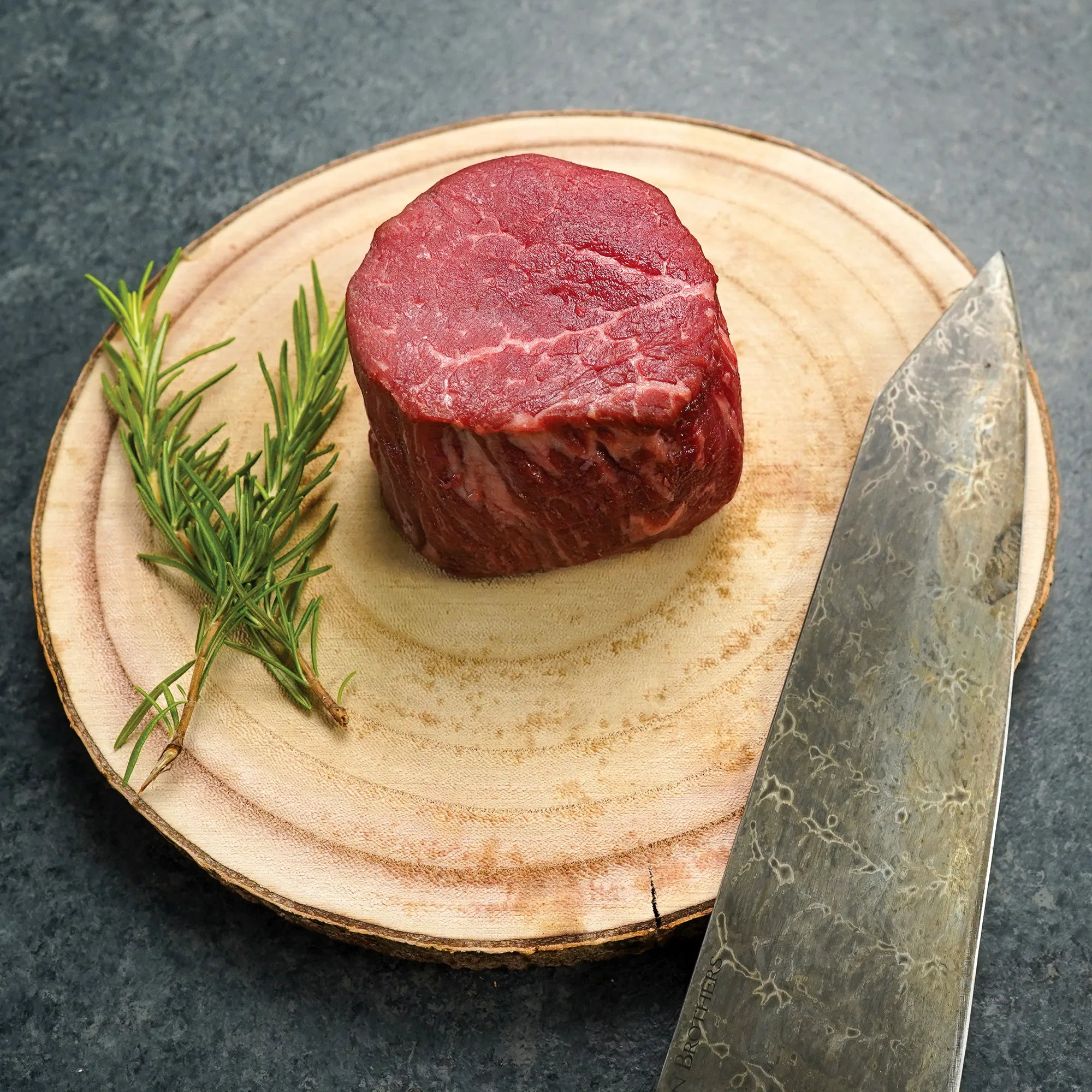
Filet mignon is a cut of steak that comes from the narrower section of a tenderloin, also known as the psoas major of a cow. It is considered to be one of the most tender and milder cuts of steak, making it a favorite among steak lovers. These cuts are typically small, but thick and are best cooked using a grill, broiler, or pan-seared on a stovetop.
Filet mignon is often considered a more luxurious cut of steak, making it a bit more expensive than other cuts. However, it can still be found at reasonable prices, and, because it is so easy to cook at home, is worth the slightly higher price tag for the unmatched taste experience it provides. With a little bit of know-how, you can easily create a perfectly cooked filet mignon that rivals any restaurant steak.
In this guide, we’ll cover all the details about this cut, including what part of the cow this cut of beef comes from, how to choose a filet mignon, and the proper way to cook it. Don’t forget to read through to the end, where we’ll answer some of the most frequently asked questions related to filet mignon.
What Part of a Cow is a Filet Mignon?
A filet mignon comes from the tenderloin, a long, narrow muscle located along the cow’s backbone which itself is part of the larger loin primal. The tenderloin has a dagger-like shape with the plump middle section of this cut tapering near the end and towards the ribs. This thinner end of the tenderloin is where the filet mignon is found.
Because the short loin is tucked under the cow’s ribs and next to the backbone, the musculature bears little weight and contains minimal connective tissue, keeping the meat beautifully soft and tender. Filet is prized for its wonderful melt-in-your-mouth texture and delicate yet beefy flavor.
Because the filet mignon comes from the smaller section of the tenderloin, the yield for this cut is very small, typically only representing about 2-3% of the total animal when butchered. This makes it a highly prized cut and is why filet mignon is often a bit more expensive, but its exceptional quality makes it well worth experiencing.
How to Choose the Perfect Filet Mignon
Filet mignon is often used as a blanket term for any steak sliced from a beef tenderloin, but your choice of filet should be based on your specific preferences and the type of dish you plan to prepare. Selecting the right cut can make all the difference in achieving the flavor and texture you're aiming for.
The Different Varieties of Filet Mignon
There are several varieties of filet mignon, each with their own unique qualities, flavor profiles, and levels of marbling. Depending on what dish you’re planning to prepare, it’s important to understand the different varieties available to you. Here are some of the most popular varieties of filet mignon and the qualities that make them unique and sought after.
USDA Prime Filet Mignon: USDA Prime is the highest grade that meat can be ranked in the United States by the Department of Agriculture. With a USDA Prime filet mignon, you’ll find abundant marbling, typically from younger, well-fed cattle. This marbling adds to its exceptional quality and melt-in-your-mouth texture.
Allen Brothers USDA Prime Filet Mignon is hand-selected and comes completely hand-trimmed of exterior fat and is meticulously wet aged to bring out the steak’s innate buttery texture and subtle yet memorable flavor.
Angus Filet Mignon: Angus cattle are a breed known for yielding beef with fantastic marbling, tenderness, and flavor. This breed is typically raised under strict standards, which contribute to the quality of beef it provides. An Angus filet mignon will have a fine texture, consistent marbling throughout the meat, and a rich, beefy taste.
Our Angus Filet Mignon is produced from 100% Black Angus cattle, sustainably and humanely grass pasture-raised and grain finished. These cattle are raised by a small selection of family-owned ranches and farms, ensuring only the highest-quality Angus is produced. Each Angus filet mignon from Allen Brothers is hand-cut to artisanal standards and wet-aged to bring out its incredible flavor and texture..
Wagyu Filet Mignon: The term Wagyu is synonymous with exceptional quality due to the high degree of marbling found in this type of meat. Wagyu are a specific breed of cattle that originated in Japan, and the term Wagyu literally translates to “Japanese cow”. These cattle are often raised with very special care, including a natural diet and stress-free living conditions which ultimately contribute to the meats distinctive qualities. You’ll often find Wagyu beef associated with a Beef Marbling Score (BMS). The BMS scale ranges from 1 to 12, with higher numbers indicating greater marbling.
Allen Brothers Wagyu Filet Mignon are hand-carved from the plump, juicy center of the tenderloin, each cut is brimming with streaks of fat that will melt into the steak as it cooks. Allen Brothers Wagyu Filet Mignon has a minimum rating of BMS 8, which indicates a gold-standard steak that’s rich, well marbled, and perfect for special occasions.
Specialty Filet Mignon: You may also run across other varieties such as a bacon-wrapped filet mignon(the added fat really amps up the flavor) or a USDA prime bone-in filet mignon, which is the filet portion of a porterhouse steak butchered with the bone left intact. Bone-in filets are very hard to find and considered a major delicacy because you get all the tenderness of a filet, but with even more flavor than boneless alternatives.
Understanding Thickness
A standard filet mignon cut of meat measures about 8 ounces and is generally between 1.5 and 2 inches thick. That thickness is ideal for achieving a well-seared steak without overcooking the interior. You may also see larger cuts, such as a 12-ounce filet, especially in a steakhouse. This thicker style of filet works well for customers who prefer their steaks rare to medium but can be tricky if you’re looking for a medium-well or well-done steak.
Pro tip: If you find yourself with a thicker filet and a dinner party guest who prefers their steak with little to no red running through the middle, consider butterflying the meat before you put it on the grill. To do this, slice the steak horizontally, stopping before you slice it completely through so that the steak can open like a book or a butterfly. You then have the thicker steaks intact for those looking for a less-done entrée and the butterflied steaks will cook through for the well-done crowd without losing all their moisture.
Serving Sizes and Presentation
As mentioned, Filet mignon cuts often weigh in at about 8 ounces, though you may also find smaller cuts at around 5 or 6 ounces (sometimes called a “petit filet”) as well as larger cuts ranging from 12 to 16 ounce.
Each filet is usually served individually, allowing guests to enjoy their own steak alongside a variety of delicious side dishes. The side you choose is important, as it'll complement the richness of the steak and add to the overall dining experience. Roasted vegetables, creamy mashed potatoes, or a light salad compliment a filet mignon well, balancing its flavors. To pull off the perfect Surf and Turf meal, consider pairing the filet with our colossal domestic sea scallops or cold-water lobster tails.
How to Cook and Serve a Filet Mignon
Learning the proper way to cook your filet mignon steaks can mean the difference between a good steak and a great steak that leaves a lasting impression far after the meal is finished. No option is technically better than another, and cooking methods often come down to personal preference. Here’s a rundown of the different options for cooking filet mignon.
Cooking Prep
Before any cooking begins, you must first prep your filet mignon. Take your steaks out of the fridge at least 20 to 30 minutes before cooking to give the meat a chance to reach room temperature. This will help expel some moisture and ensure faster, more even cooking. Pat off excess moisture before adding your seasoning — kosher salt and freshly cracked pepper, for example — and preheat your pan, grill, or broiler.
Common Cooking Methods
When it comes to cooking a filet mignon, the chosen method can have a heavy influence on the flavor, texture, and dining experience. Each method has a unique way of bringing out the meat’s natural richness while also allowing for specific flavors to develop. Here are several popular ways to cook a filet:
Pan seared/roasted: Sear the filet in a hot pan until golden brown on each side (about a minute per side), then move to a 400°F oven until cooked to the desired temp. This method creates a delicious caramelized crust while keeping the inside tender and juicy.
Grill: Cook seasoned and lightly oiled steak over medium-high flame until done — about 3.5 to 4.5 minutes on each side for a picture-perfect medium-rare. Grilling is notorious for adding a mouth-watering smoky flavor and attractive grill marks that add to the steak’s presentation. (Check out our dedicated guide for more tips on how to grill filet mignon to perfection!)
Broil: Seat your broiler to high heat, then place the seasoned/oiled filet under the heat. Remember, a broiler heats from the top, so flip your steak halfway through to ensure even cooking. Broiling is often a quicker method, great for those shorter on time, but still creates a crispy exterior and juicy, flavorful interior.
Sous vide: Vacuum seal your filet in a heat-safe bag (season the steak first or add herbs, butter, and other flavoring agents like garlic to the bag itself), then place the bag in a water bath set to your desired doneness. This precise method, often using a dedicated machine that does the work for you, ensures the filet is evenly cooked to perfection, every time.
Cooking Times to Reach Ideal Temperatures
Cook time depends on several factors including the strength of the heat source, the temperature of your meat at the start, the filet mignon recipe you’re using, and the thickness/size of your filet mignon cut, but here are some general guidelines:
(This cheat sheet assumes you’re grilling a 1.5 to 2 inch-thick filet that starts near room temp)
- Rare: 125°F — about 3 to 4 minutes on each side
- Medium rare: 135°F — about 3.5 to 4.5 minutes on each side
- Medium: 145°F — about 4 to 4.5 minutes on each side
- Medium well: 150°F — about 5 to 5.5 minutes on each side
- Well: 160°+ F — about 5.5 to 6 minutes on each side
Pro tip: Direct, high heat methods like grilling are less predictable than pan searing over a dialed-in flame. Always use a high-quality meat thermometer to monitor the internal temperature for the doneness of your steak.
Resting and Serving
Once your steaks are cooked, It's time to let them rest. Don’t skip this step because this is the crucial time when all those precious juices inside the meat have a chance to redistribute and relax. The rule of thumb is to rest your steak for about half the total cook time to let the juices redistribute.
Pro tip: Tent your steak with a folded piece of tin foil to retain some heat until it’s time to eat.
Frequently Asked Questions
What is so special about filet mignon?
Filet mignon is one of the most popular steakhouse cuts because it’s tender, juicy, and relatively lean. Its innate flavor profile is tasty all on its own, but filet also takes well to all kinds of sauces, seasonings, and marinades. In short, it’s versatile, memorable, and a surefire crowd-pleaser.
Why is it called filet mignon?
Filet mignon is a French term, with “mignon” translating to cute or dainty. So, filet mignon, as a whole, translates to a cute or dainty filet, referring to the steak’s delicate and tender cut and highlighting its smaller size.
Beef Tenderloin vs. Filet Mignon
The main difference between beef tenderloin and filet is that tenderloin is the large subprimal and filet mignon is a slice or piece of that subprimal. The most prized filets come from the center of the tenderloin, but the end cuts are equally tasty.
Why is filet mignon so expensive?
Filet is expensive because it’s limited in quantity (each cow only has two tenderloins) and because it’s so consistently tender and delicious. You’re paying for the quality of the beef as well as the unforgettable experience that comes with eating such a superior steak.
What does filet mignon taste like?
A properly cooked filet mignon is buttery, juicy, and subtly beefy — not as robust or rich as a well-marbled ribeye or a New York strip steak, but that subtlety means you can pair this tender cut with a wide variety of seasonings, sauces, and marinades.
Experience Filet Mignon in All Its Glory with Allen Brothers
Ready to start planning your next cookout? Shop Allen Brothers’ best filet mignon cuts and treat your guests to the very best in artisanal, hand-cut steaks, delivered right to your door. Since 1983, Allen Brothers has been the top choice for those that demand only the best cuts of steak, having earned a reputation by following a single guiding principle — never compromise. Shop filet mignons and other delicious cuts of steak at Allen Brothers today!


