

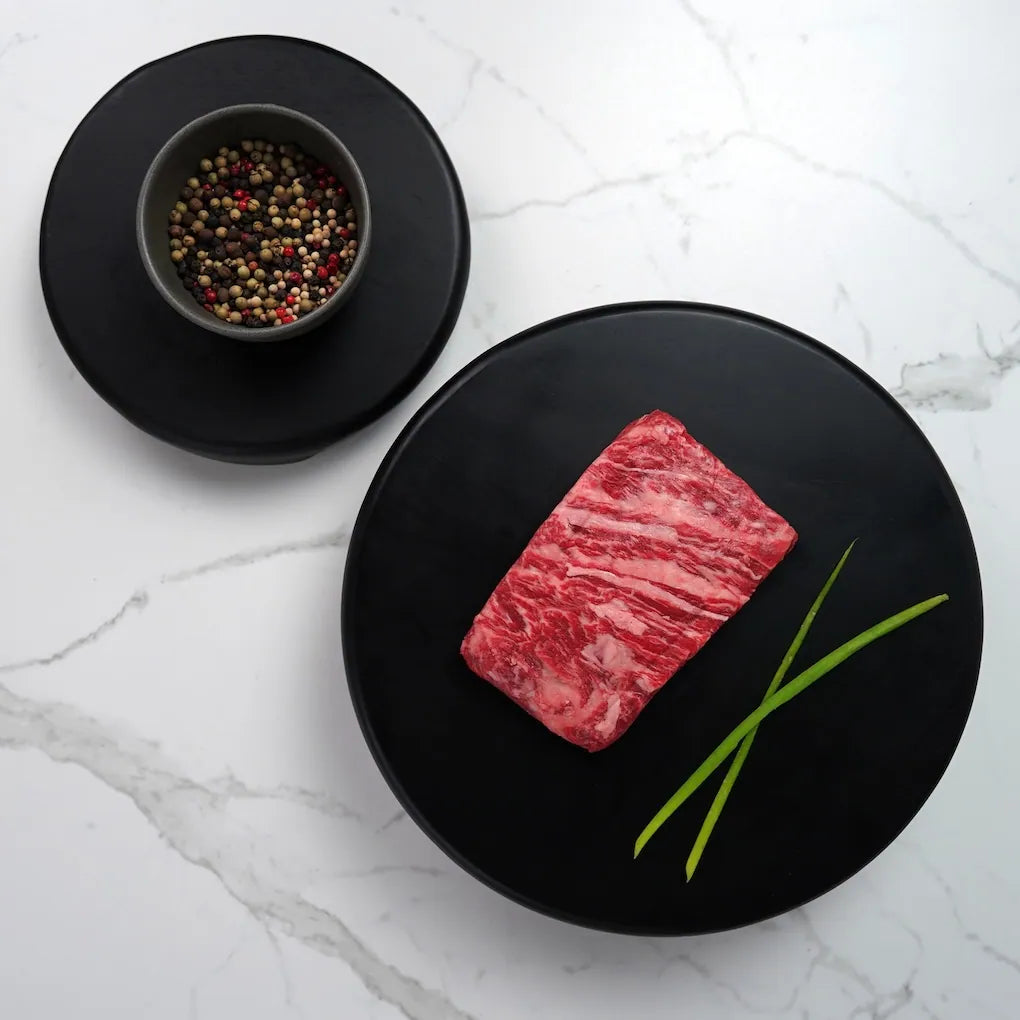
If you’ve discovered bavette steak on a restaurant menu or at your local butcher, you may be wondering what makes this lesser-known cut so special. Often referred to as “butcher’s steak,” bavette is prized for its rich beef flavor, loose texture, and versatility in the kitchen.
Whether grilled, pan-seared, or sliced for tacos and salads, bavette steak delivers a steakhouse-worthy experience with minimal preparation. Here’s everything you need to know about what bavette steak is and how to cook it.
What Is Bavette Steak?
Bavette steak is a flat, elongated cut taken from the bottom sirloin, near the flank of the cow. The word bavette means “bib” in French, referring to its loose, flat shape.
Known for its pronounced grain and generous marbling, bavette offers a robust beef flavor and a tender bite when cooked properly. It’s a favorite among chefs for its ability to absorb marinades and develop a flavorful crust over high heat.
What Does Bavette Steak Taste Like?
Bavette steak is celebrated for its intensely beefy flavor. While it isn’t as buttery as a ribeye or as mild as a filet mignon, it strikes a balance between tenderness and bold taste that appeals to steak enthusiasts.
Its marbling helps keep the meat juicy during cooking, making it an excellent choice for grilling or searing.
Is Bavette Steak Tender?
Yes. Bavette steak is naturally tender, especially when cooked to medium-rare or medium and sliced against the grain.
Because it has long muscle fibers, proper slicing is essential. Cutting thin slices perpendicular to the grain shortens those fibers and creates a much more tender eating experience.
Bavette Steak vs. Flank Steak
Although bavette and flank steak are often compared, they have distinct characteristics.
| Bavette Steak | Flank Steak |
|---|---|
| Cut from the bottom sirloin | Cut from the abdominal muscles |
| More marbling | Leaner overall |
| Rich, juicy texture | Firm texture with bold flavor |
| Looser grain | Tighter grain |
| Excellent for grilling and searing | Popular for fajitas and stir-fries |
Both cuts benefit from high-heat cooking and should always be sliced against the grain.
Bavette Steak vs. Skirt Steak
Bavette and skirt steak are also similar but not identical.
- Bavette steak: Slightly thicker with more marbling and a tender, juicy texture.
- Skirt steak: Longer, thinner, and often a bit chewier with a pronounced grain.
Both excel in recipes where thin slices of flavorful beef are the star.
How to Cook Bavette Steak
Bavette steak cooks best over high heat and should not be overcooked.
Grilling
- Preheat the grill to high heat.
- Season generously with salt and pepper or use your favorite marinade.
- Grill for 4–6 minutes per side, depending on thickness.
- Cook to an internal temperature of 130–135°F for medium-rare.
- Rest for 5–10 minutes before slicing.
Cast-Iron Skillet
A hot cast-iron pan produces an excellent crust.
- Heat the skillet until very hot.
- Add a small amount of high-smoke-point oil.
- Sear the steak for about 4–5 minutes per side.
- Let it rest before carving.
Reverse Sear
For thicker bavette steaks, cook gently over indirect heat or in a low oven before finishing with a quick sear for maximum control and even doneness.
Should You Marinate Bavette Steak?
While bavette steak has plenty of natural flavor, it responds exceptionally well to marinades.
A simple marinade of olive oil, garlic, soy sauce, herbs, citrus juice, or vinegar can enhance both flavor and tenderness. Marinate for 2 to 8 hours for the best results.
Why Slicing Against the Grain Matters
One of the biggest secrets to enjoying bavette steak is slicing it correctly.
After resting, identify the direction of the muscle fibers and cut across them into thin slices. This shortens the fibers and creates a noticeably more tender bite.
Skipping this step can make the steak seem tougher than it actually is.
Best Ways to Serve Bavette Steak
Bavette’s rich flavor makes it incredibly versatile. Try serving it:
- With chimichurri or anchovy butter
- Over grilled vegetables
- In tacos or fajitas
- On steak salads
- Alongside roasted potatoes
- In grain bowls
- Sliced for sandwiches or wraps
Its bold flavor also pairs beautifully with mushrooms, caramelized onions, and peppercorn sauces.
Why Is Bavette Steak So Popular?
Bavette steak has earned a loyal following among chefs and home cooks because it offers an excellent combination of flavor, tenderness, and value. Its loose grain absorbs marinades well, its marbling keeps it juicy, and it cooks quickly over high heat.
For anyone looking to explore beyond traditional steakhouse cuts, bavette is a rewarding choice that delivers impressive results with simple preparation.
Final Thoughts
So, what is bavette steak? It’s a richly flavored, well-marbled cut from the bottom sirloin that shines when grilled or pan-seared and sliced against the grain. With its tender texture and bold beef taste, bavette steak is a versatile option for everything from casual weeknight meals to elevated backyard cookouts.
Once you try this butcher’s favorite, it may become one of your go-to steaks for flavor-packed meals at home.


