

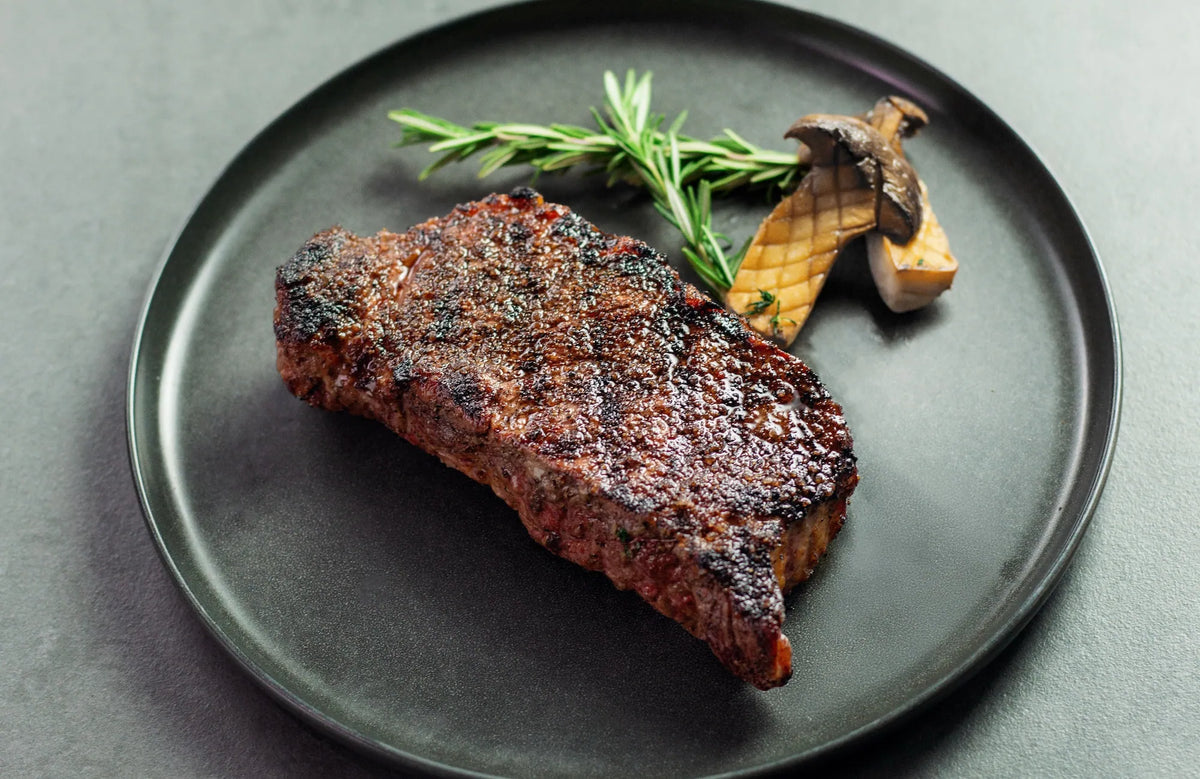
Leftover steak is one of those rare opportunities to enjoy a great cut twice, but only if you do it right. Get the temperature wrong, and a perfectly cooked ribeye turns dry and chewy fast. Learning how to reheat steak without ruining it takes just a little know-how, and once you understand the method, it becomes second nature.
The experts at Allen Brothers have put together this guide so you can approach every leftover with confidence. For more steak prep tips, check out the Steak Insider Blog.
Table of Contents
-
The Best Way to Reheat Steak: Oven Then Sear
-
How to Reheat Steak Sous Vide
-
How to Reheat Steak on the Stovetop
-
How to Reheat Steak in the Air Fryer
-
How to Reheat Steak in the Microwave
-
How to Know When Reheated Steak Is Ready
-
Mistakes That Can Ruin Reheated Steak
-
How to Store Leftover Steak for Better Reheating
-
Best Ways to Use Reheated Steak
-
The Best Steak Cuts for Reheating Leftovers
-
Why Reheating Steak Takes Skill
-
Frequently Asked Questions
-
Shop High-Quality Steaks From Allen Brothers
The Best Way to Reheat Steak: Oven Then Sear (The Expert's Choice)
The oven method gives you the most control over internal temperature, making it the best way to reheat leftover steak for thicker cuts like ribeye and sirloin. The results are as close to the original as you can get.
Step 1: Let the Steak Sit Before Reheating
Pull your cold steak from the refrigerator and let it rest at room temperature for 15 to 20 minutes before reheating. Starting with a steak straight from the fridge means the outside will overheat before the center warms through. This resting step makes a measurable difference in the final result.
Step 2: Warm It Slowly in the Oven
Preheat the oven to 250°F. Place the steak on a wire rack set over a baking sheet. The rack keeps airflow moving around the meat so it heats evenly on all sides. Warm the steak until the internal temperature reaches around 110°F, which takes roughly 20 to 30 minutes depending on thickness. A meat thermometer is the only reliable way to track this.
Step 3: Sear It Fast to Bring Back the Crust
Get a cast-iron skillet screaming hot. Add a small amount of oil or butter, then sear the steak for 30 to 60 seconds per side. The goal is crust, not additional cooking. Pull it off the heat as soon as you get color on each side and let it rest for two minutes before slicing.
How to Reheat Steak Sous Vide (The Precision Method)
Sous vide reheating keeps the steak at a precise temperature from edge to edge, which makes it one of the best methods for preserving juiciness and doneness. If you already own the equipment, this is worth the extra steps.
Step 1: Seal the Steak for the Water Bath
Place your leftover steak in a zip-lock or vacuum-sealed bag. A pat of butter tucked inside adds richness and helps keep the meat moist during the water bath.
Step 2: Warm It at a Controlled Temperature
Set your water bath to between 120°F and 130°F, depending on your target doneness. A medium-rare finish lands around 125°F to 130°F. Submerge the bag and let it warm for 20 to 30 minutes. The water bath will not push the steak past your set temperature, so overcooking is not a concern.
Step 3: Sear It Briefly Before Serving
Pat the steak dry with a paper towel, then sear it in a ripping hot pan for 30 to 45 seconds per side. Serve immediately.
How to Reheat Steak on the Stovetop (Best for Slices)
The stovetop works well when your leftover steak is already sliced or when you want a quick result without turning on the oven.
Step 1: Add a Small Amount of Broth or Butter
Warm a skillet over medium heat. Add a small pour of beef broth or a knob of butter to the pan. The liquid creates steam that heats the steak from all sides while protecting its juiciness.
Step 2: Warm the Steak Gently in the Pan
Lay the slices flat in the pan. Flip them every 30 seconds and keep a close eye on the internal temperature. You are aiming for warmth, not a change in doneness.
Step 3: Keep Slices from Drying Out
Tent the pan loosely with aluminum foil while the steak heats. Trapped steam keeps the slices from losing moisture. Remove from heat as soon as the steak feels warm throughout.
How to Reheat Steak in the Air Fryer (Fast and Crispy)
Knowing how to reheat steak in an air fryer saves time when you want a faster method with a little crispness on the outside. It works best with thinner cuts.
Step 1: Preheat the Air Fryer
Preheat your air fryer to 350°F. Most models take two to three minutes. Skipping this step leads to uneven heating from the start.
Step 2: Reheat the Steak in Short Intervals
Place the steak in the air fryer basket in a single layer. Reheat in two-minute intervals, flipping between each round. Thinner cuts may only need a single round.
Step 3: Check the Temperature Before It Overcooks
Check the internal temperature after each interval with a meat thermometer. Pull the steak once it hits 110°F to 120°F. The air fryer moves fast, so check often, or you risk pushing past your target doneness quickly.
How to Reheat Steak in the Microwave (When You Have To)
The microwave is the last resort for reheating leftover steak. It works in a pinch, but extra steps are required to avoid turning your cooked steak rubbery.
Step 1: Use Lower Power
Set your microwave to 50% power. Full power blasts the outside before the center warms, leaving the steak tough and uneven.
Step 2: Cover the Steak to Hold Moisture
Place the steak on a microwave-safe plate and cover it with a damp paper towel. The moisture from the towel keeps the surface from drying out during reheating.
Step 3: Heat in Short Bursts
Heat the steak in 30-second intervals, flipping the steak after each round. Check the internal temperature between second intervals and stop as soon as the steak feels warm through the center. Do not wait for it to look done, or it will be overcooked by the time you pull it.
How to Know When Reheated Steak Is Ready
Knowing when to pull the steak is where most people go wrong. Here is what to check:
-
Internal temperature. A meat thermometer reading between 110°F and 130°F keeps the steak within its original doneness range without pushing it further.
-
Warmth, not color change. Reheating should restore temperature, not alter the doneness you worked to achieve the first time.
-
Rest before slicing. Give the steak two to three minutes after reheating. Resting lets the juices redistribute so every bite stays moist.
Mistakes That Can Ruin Reheated Steak
Small mistakes ruin a perfect steak faster than you might expect. The most common ones:
-
Using high heat from the start. The outside overcooks before the center has a chance to come up to temperature.
-
Reheating straight from the fridge. Skipping the room temperature rest puts the steak at a disadvantage from the first second of heat.
-
Skipping the rest after reheating. Cutting too soon causes juices to run out immediately.
-
Slicing before reheating. More surface area exposed to dry heat means more moisture lost.
-
Leaving it in too long. Checking the clock instead of the internal temperature leads to an overcooked result every time.
How to Store Leftover Steak for Better Reheating
Good storage starts the moment dinner ends. How you store your steak directly affects how well it reheats.
-
Keep the steak whole when possible. A whole cut retains moisture far better than slices stored overnight.
-
Wrap it tightly with aluminum foil or seal it in an airtight container before refrigerating.
-
Plan to use leftovers within three to four days, while the texture is still worth the effort of reheating.
Best Ways to Use Reheated Steak
Reheated steak opens the door to a range of steak recipes beyond eating it straight. Some of the best uses:
-
Steak sandwiches with sliced sirloin on a toasted roll
-
Steak salads with thinly sliced, reheated beef laid over greens
-
Tacos, grain bowls, and breakfast hashes that benefit from the depth of flavor a well-reheated, seared cut brings
The Best Steak Cuts For Reheating Leftovers
Ribeye
Ribeye is one of the best steaks for reheating because its rich marbling helps retain moisture and tenderness even after refrigeration. The fat slowly renders again during reheating, which keeps the steak juicy instead of dry or chewy like leaner cuts can become.
The oven-then-sear method works best for ribeye. Slowly warming it at a low temperature prevents the fat from tightening too quickly, while a quick sear restores the crust. Cuts like the USDA Prime Boneless Ribeye Steak handle reheating especially well because of their heavy marbling and thickness.
New York Strip
New York strip reheats extremely well because it has a firm texture and a balanced amount of marbling. It stays meaty and flavorful after reheating without becoming overly soft, making it one of the most reliable leftover steak cuts.
The best approach is reheating slowly in the oven followed by a quick cast-iron sear to revive the exterior crust and fat cap. A cut like the USDA Prime Boneless Strip Steak holds its texture particularly well thanks to its structure and marbling.
Filet Mignon
Filet mignon can reheat beautifully, but it requires gentler heat because it is much leaner than cuts like ribeye or strip steak. When reheated properly, it stays exceptionally tender and buttery instead of drying out.
Sous vide is the best method for reheating filet mignon because it warms the steak evenly without overcooking the outside. If sous vide is not available, a low oven temperature followed by a very quick sear also works well. Premium cuts like the USDA Prime Filet Mignon Steak tend to perform best because the original tenderness carries through during reheating.
Why Reheating Steak Takes Skill
Reheating steak sounds simple. Toss it in the microwave for a minute and call it done. The problem is that cooked steak reacts to heat differently than raw beef, and overcooking is a real risk even the next day.
High heat squeezes moisture out of the muscle fibers fast. That is what leaves you with something dry and chewy instead of tender and juicy. Gentle, controlled heat protects what made that steak worth eating the first time. A quick finish over a hot pan at the end can bring back the crust without pushing the center past your target doneness.
Frequently Asked Questions
How long should you reheat steak at 250°F in the oven?
Plan for 20 to 30 minutes, depending on thickness. Check the internal temperature with a meat thermometer and pull the steak once it hits 110°F.
Is it better to reheat steak in the oven or microwave?
The oven is better. It heats the steak evenly without drying it out. The microwave is a last resort because it heats unevenly and can quickly make a good steak tough and chewy.
Can you reheat steak after being in the fridge?
Yes. Let it sit at room temperature for 15 to 20 minutes before reheating. Skipping that step means the outside overcooks before the center warms through.
Should you reheat steak or eat it cold?
Reheat it when you want to eat it on its own and preserve the original texture and doneness. Cold steak is fine if you are adding it straight into a dish where temperature does not matter, like a cold pasta or charcuterie board.
Shop High-Quality Steaks From Allen Brothers
Great reheated steak starts with a great cut the first time around. Allen Brothers has been hand-selecting and aging premium beef since 1893, offering USDA Prime steaks trusted by steakhouses across the country. Higher marbling and better beef quality help steaks stay tender and juicy, even after reheating.


