

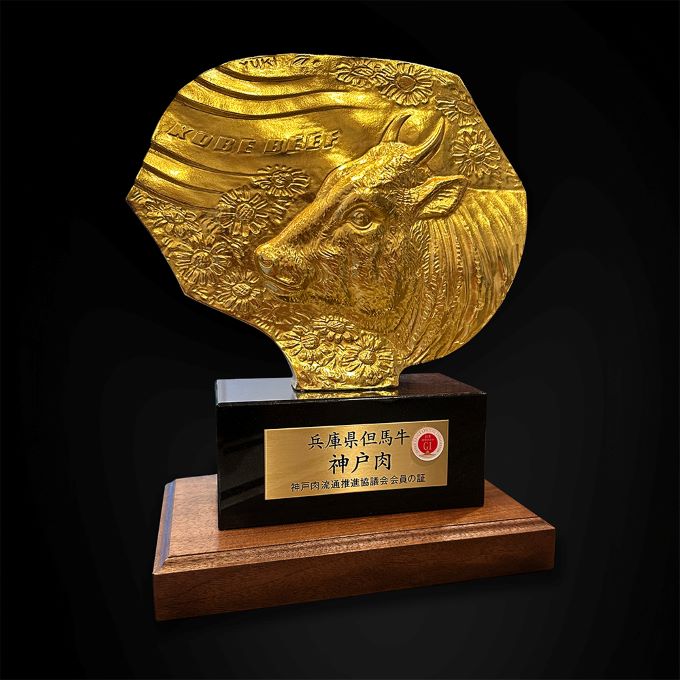
Kobe beef is a variety of Wagyu beef derived from the Tajima strain of Japanese Black cattle, raised in Japan's Hyogo Prefecture. It is a highly desirable type of meat that is renowned for its exceptional tenderness, intricate marbling, and rich flavor. Certified Kobe beef is regarded as the finest quality beef that can be produced by Japanese cattle.
In this guide, we will learn more about what makes Kobe beef Kobe beef, how it’s different from Japanese Wagyu, whether it is worth the price tag, And most importantly, how you are supposed to cook it.
Characteristics that Define Kobe Beef
For beef to earn the Kobe designation, it must tick several boxes including:
- Region: All Kobe beef comes from the Tajima strain of Wagyu cattle.
- Breed: For Wagyu to be classified as Kobe, the meat must come from Japan’s Hyogo Prefecture.
- Feeding regimen and environmental conditions: Japanese cows raised for Kobe beef are fed a special diet that’s rich in grains, proteins, and roughage. Farmers may add vitamin supplements that influence the meat’s flavor and texture, but reports of beer diets are likely just rumors. Kobe beef cattle are raised in a low-stress environment where they can move freely—some even get daily massages to help with relaxation.
- Quality standards: Instead of piggybacking on the USDA system, Kobe is rated according to Beef Marble Scores (BMS). This grading standard looks at the intramuscular fat known as marbling. The BMS scale goes from 3 to 12, and Kobe typically has a score of 6 or higher.
- Weight range: At the time of slaughter, Kobe cattle must weigh 1036 lbs. (470 kg) or less.
Why is Kobe Beef So Special and Expensive?
Ask an expert, “How much is Kobe beef?” and you may receive a jaw-dropping response. Kobe steaks in top steakhouses in the United States can easily cost over $200 for a small, four-ounce portion. Larger cuts can be $500 or more. Of course, buying a steak from a trusted purveyor and cooking it at home is far more economical.
But it’s important to look at why Kobe steak commands a premium, too. It all comes down to rarity, effort, and paperwork.
Kobe beef is:
- Raised with care, with fewer cattle per acre and special attention paid to each animal.
- Fed a high-quality diet that costs more than basic feed.
- Limited in supply due to strict government regulations, resulting in market scarcity that helps drive up the price.
- Certified by special organizations, a process paid for by suppliers.
- In demand around the globe, further enhancing the beef’s value.
Difference Between Kobe Beef and Wagyu Beef
The simplest way to compare Wagyu vs. Kobe beef is to say that all Kobe is Wagyu but only a small percentage of Wagyu beef qualifies as Kobe.
Wagyu beef is a type of beef that comes from one of four Japanese cattle breeds: Japanese Black, Japanese Brown, Japanese Shorthorn, or Japanese Polled. All Wagyu beef has a high fat-to-meat ratio (there’s that marbling again!), incredible flavor, and a delicate, melt-in-your-mouth texture. But Kobe, a subcategory of Wagyu, has all those characteristics turned up to the nth power. Whereas Wagyu usually has a BMS score between 3 and 12, Kobe must score at least a 6.
Wagyu are also raised with great care, like Kobe, but their environment is not quite as controlled.
Where is Wagyu Beef From? Where is Kobe Meat From?
Like the beef’s quality and ratings, the geographic origins of Kobe and Wagyu steak overlap. Wagyu cattle are found across Japan, and there are American Wagyu and Australian Wagyu varietals as well, though those cattle are often crossbred with Angus cows or other types of cattle. Where does Kobe beef come from? That answer is much more specific: Kobe beef can only come from Japan’s Hyogo Prefecture.
There are two other specialty types of Wagyu beef that, like Kobe, can only come from a specific area.
- Matsusaka Ushi beef comes from in and around the city of Matsusaka.
- Ohmi beef is raised in Japan’s Shiga prefecture.
How to Tell if Kobe Beef is Authentic
You can often spot Wagyu beef thanks to it’s tell-tale intense marbling. Those coveted lines of intramuscular fat are so thing and well-incorporated that sometimes Kobe beef in particular appears not red but more of a light pink color. But while visual cues are helpful, they’re not 100% reliable.
Instead, look for Kobe steaks accompanied by a certificate of authenticity that includes a grade from the Japanese Meat Grading Association and an official Nojigiku stamp. All authentic Kobe beef will have those two identifiers.
You can also trace authentic Kobe beef by tracking the cow’s bloodlines. Meat sold by approved retailers will also have a 10-digit unique identification number. Enter that number on the Kobe Beef Association website and you can see where the cow was born and raised, where it was sold at market, and verify the official certification.
The Kobe Beef site is a treasure trove of information. Consumers can learn about Kobe, explore the organization’s list of dedicated Kobe farmers, and dig into the authentication processes used to keep Kobe standards high and preserve public trust. DNA testing and the use of serial numbers provides unparalleled transparency—you really know exactly what you’re buying with the paperwork to prove it, which rarely happens with any other kind of protein or produce.
How is Kobe Beef Prepared
Kobe beef is probably most commonly seen sold in steak form, but that preparation is just the tip of the iceberg when it comes to how this incredible protein can be cooked and served.
- Steak: Kobe steaks are often grilled or pan-seared to take full advantage of the Maillard effect, a chemical reaction that turns the amino acids and sugars in meat into a beautiful, golden-brown crust. The combination of that savory exterior and a lightly cooked interior makes Kobe steak a phenomenal option.
- Sukiyaki: Sukiyaki is thinly sliced raw beef, in this case Kobe, cooked with vegetables and tofu in simmering sweet and umami broth. Mouthfuls of beef and accompaniments may be dipped in sauce or even raw egg as the diner eats.
- Shabu-shabu: Shabu-shabu is similar to sukiyaki except the cooking liquid is a lighter, less-sweet broth, and thin slices of beef are cooked in the broth and eaten one by one. This allows the natural flavor of the Kobe to shine through.
- Sashimi: Kobe can be sliced thin and served cold sashimi-style, but unlike the fish version of sashimi, this preparation sees the Kobe seared or torched just long enough to destroy any bacteria on the surface of the beef.
- Teppanyaki: Teppanyaki is an entertainment-meets-cooking form of food preparation that sees meat and vegetables cooked in front of diners on a large flat-top grill. Kobe cooked teppanyaki-style is usually quickly seared to keep it tender while still melting the meat’s marbling.
Kobe Beef Alternatives: Snow-Aged Wagyu A5 Japanese
While Kobe beef is undeniably a top-tier protein worthy of a place on your dinner table, there are times when scarcity, pricing, or plain curiosity drives you to check out some Kobe alternatives. One such alternative is the delectable Snow-Aged Wagyu A5 Japanese beef.
Snow-aged Wagyu matures for around 30 days in a special chamber covered in snow and rice. These Yukimuro rooms are carefully designed to control humidity and temperature. That slow and chilly aging process produces meat that is stunningly rich, sweet, and buttery soft, but without the gamey flavors and intensely dark aromas associated with dry-aged beef.
Most snow-aged Wagyu comes from Japan’s “Snow Country,” or the Niigata prefecture. There, this centuries-old tradition of snow-based aging. Like all Wagyu and especially Kobe, snow-aged Japanese steaks should only be purchased from trusted vendors who take pride in sourcing authentic, quality cuts.
Shop Kobe Beef at Allen Brothers
At Allen Brothers, standards matter. We take great pride in selling artisanal, hand-cut, and perfectly aged cuts of beef beloved by steakhouse chefs and home cooks alike. To experience the Allen Brothers difference—and finally sink your teeth into some authentic Kobe beef—shop our selection of beef today.


