

Updated: February 17, 2026
Choosing the Best Cuts With Our Complete Steak Cut Guide
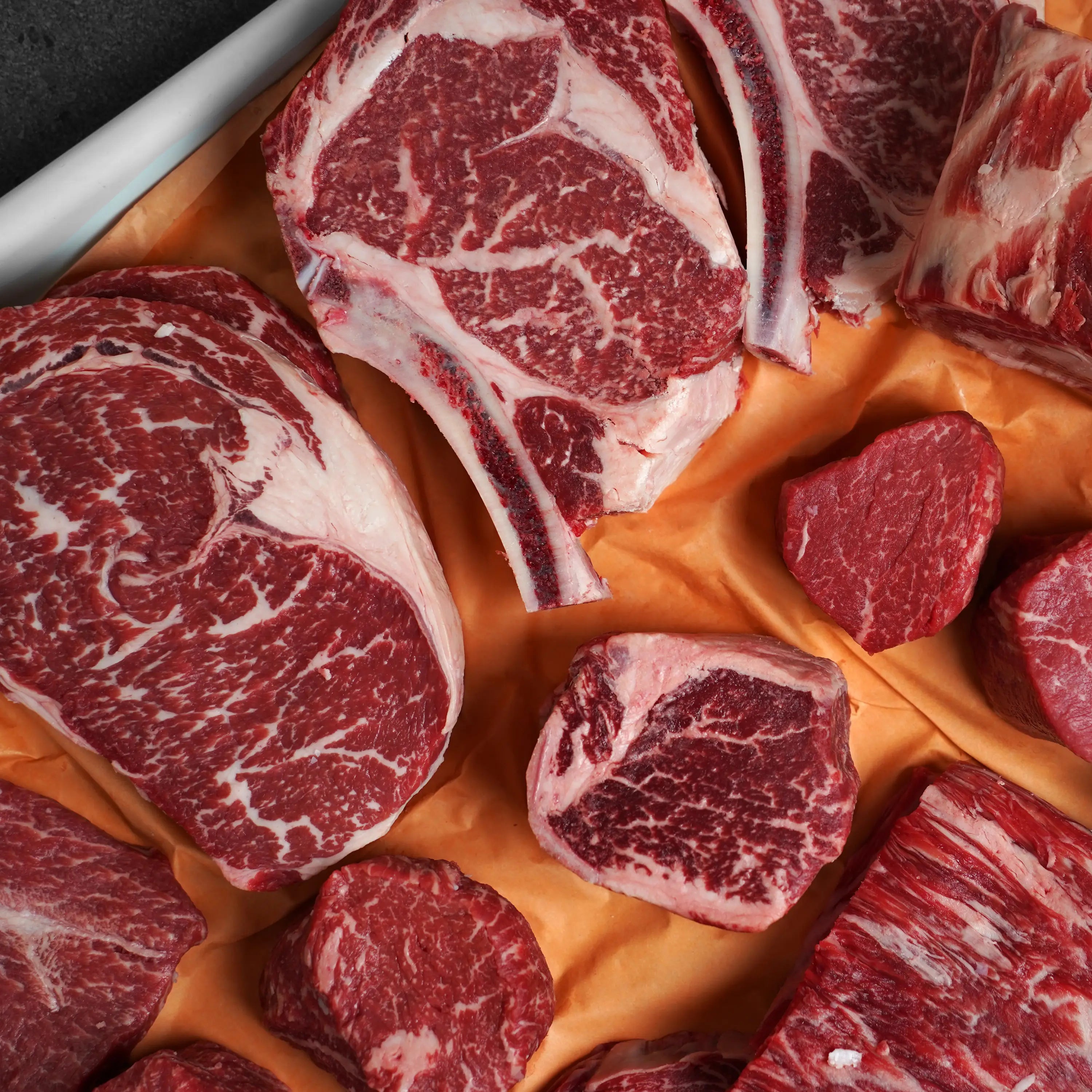
Shopping for beef is like entering a Wonka-esque wonderland. There are different steak cuts as far as the eye can see, each one promising a different flavor, a different texture, and a different experience. But how do you know which cuts of steak are best suited to the meal you have in mind?
While there is a wealth of knowledge that comes with being a master butcher or chef, you don’t have to dedicate your life to the hospitality industry to know your way around the side of a cow. This guide will help you understand what makes different steak cuts stand out, plus how you can use those cuts to create culinary sensations no matter your current skill level.
TABLE OF CONTENTS
The Different Types of Steak Cuts
Choosing the best cuts of steak requires an understanding of the various types that you’ll encounter and how they’re best cooked. This understanding ensures you’ll always select the perfect steak to suit your tastes and cooking preferences. Whether you prefer the tenderness of a Filet Mignon, the rich marbling of a ribeye, or the two-in-one porterhouse, education on these cuts and the best cooking methods for each, is essential. Let's dive in.
Filet Mignon

Filet mignon is a smaller cut taken from the tenderloin, a long section of meat that runs along the cow’s spine. Given the location of this meat, it’s subject to very little movement. That plus the lack of connective tissue means filet mignon is one of the most tender cuts available — so much so, diners can usually cut it with the side of their fork. You may also see filet mignon referred to as simply filet or tenderloin filet, tenderloin steak, or tournedos.
This highly desirable cut of steak is extremely popular because it’s lean yet wonderfully tender and delicious. Because filet has far less marbling than a ribeye or strip steak, you won’t see much difference between prime and choice cuts. But that lack of fat also means you need to be extra careful when cooking your steak.
As far as flavoring, the delicate marbling and remarkable tenderness of filet mignon is sort of a blank palette, albeit an exquisite one. Try a bacon-wrapped filet for some added unctuousness or try a beef wellington, where the filet is topped with duck and goose liver pate, black truffles, and mushroom duxelles before being wrapped in golden puff pastry and baked.
Cooking Methods for Filet Mignon
Pan Searing and Roasting
Pan-searing then roasting is often the preferred cooking method, as Filet Mignon is at its best when evenly seared and finished to medium-rare or medium, which is between 135°F and 145°F. A quick sear (typically a minute on each side) and then moving the cut to an oven at 400°F until the desired temperature is met is a method that produces continually great results.
Grilling
Filet Mignon can also be grilled and makes for fantastic bacon-wrapped filets. Heat your grill to medium-high, lightly oil the filet and season with salt and pepper, or another preferred rub, and grill for 4-5 minutes on each side to achieve a perfect medium-rare.
Broiling
Broiling is another common method used to cook delicious filet mignon. Set your broiler to high heat and place a seasoned and lightly oiled filet under the heat. When broiling, remember that the heat is coming from the top so be sure to flip the filet, cooking for about 5-7 minutes on each side.
New York Strip Steak

In a way, strip steak splits the difference between the tender, lean appeal of a filet mignon and the well-marbled, robust qualities of a ribeye. The cut comes from the short loin, an area of the cow that does little if any work. Strip steak isn’t as tender as beef tenderloin, but it’s a neighboring muscle so it still shares some of that same delicacy and flavor.
If you’ve ever had a T-bone steak, you’ve had a strip steak — it’s the longer strip of meat on one side of the T-bone while a small portion of tenderloin sits on the other. Strip steak is also known as New York strip, strip loin, Kansas City strip (a New York strip on the bone), or shell steak. Strip steaks usually come with an alluring fat cap that runs along the back side of the steak.
Cooking Methods for New York Strip Steak
Grilling
Grilling is typically the most popular cooking method for New York strip steak. Place your seasoned strip steak on a grill that has been pre-heated and cook each side for several minutes. Strip steaks are beautifully cooked medium rare or to about 135°F.
Pan-Searing
Utilizing a cast iron pan over high heat, pan searing your New York Strip is another popular and simple method. Place your strip steak in the pan and add some butter or oil. Cook on high heat and add a few herbs to the pan. Flip the steak once there is a golden-brown crust on the exterior.
Sous vide
The name of this technique is French and translates to “under vacuum” which is the exact process used here. Place your New York strip steak in a special bag that can be vacuum-sealed, and then place it in a temperature-controlled water bath, and allow the steak to cook to the desired temperature. This method is less common as it requires additional equipment and does not sear the meat like other methods. However, it can produce extremely juicy steaks that are perfectly cooked.
Ribeye Steak
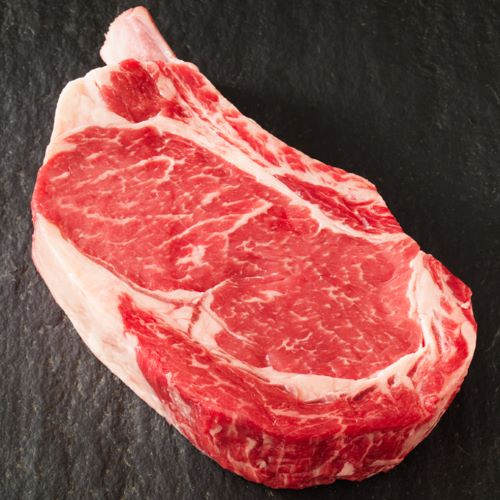
Ribeye steaks are cut from the cow’s rib section, specifically between the 6th and 12th ribs. This area is naturally fatty, which is why ribeye is known for its signature marbling. Rich, delicious, and brimming with in-your-face beefiness, ribeye is a steakhouse mainstay.
You may also hear ribeye called Delmonico, Scotch filet, market steak, Spencer, or beauty steak, but a ribeye by any other name is still buttery and delicious. There are sub-cuts here as well; some ribeye enthusiasts seek out the spinalis, or rib cap, which some restaurants and retailers sell separately for a special treat. The eye of ribeye or longissimus dorsi is another specialty cut, this one meatier and well marbled, taken from the very center of a ribeye. Bone-in ribeyes are the same cut as a boneless ribeye but with the bone left attached, which adds flavor during the cooking process.
Pro tip: Don’t confuse a ribeye for a prime rib. They both come from the same primal cut, but prime rib is roasted and then cut while ribeye is cut from the rib and then cooked.
Cooking Methods for Ribeye Steak
Grilling
Similar to New York strip steak, Ribeyes are often grilled. The medium-high heat helps to melt the impressive marbling creating an amazingly juicy yet crispy flavor. Brush your ribeye with oil, season with your preferred rub, and place on a preheated grill set to medium-high heat. Cooking times vary depending on the thickness of ribeye so keep a thermometer handy. A great ribeye is best cooked to medium rare or medium, which is when the meat is a beautiful pinkish-red color and temping between 135°F and 145°F — just hot enough for the fat to melt and baste the steak in its own juices.
Broiling
Place an oven rack in the middle of the oven and preheat the broiler. While preheating, season your ribeye with salt and pepper, and then place the steaks on a broiler pan and broil for 9-12 minutes or until the desired temperature is reached.
Pan Searing and Roasting
If you don’t have access to a grill or broiler, fear not as pan searing and roasting a ribeye is a solid method, as well. Pat dry the ribeye with a paper towel to remove excess moisture and then season with salt and pepper or your preferred seasoning blend on both sides. Place the ribeye in a preheated pan, preferably a cast iron skillet, and add a bit of oil or butter to the pan. Sear the ribeyes just until a nice sear is made on either side and then place in the oven for 5-7 minutes or until the desired temperature is reached.
Porterhouse
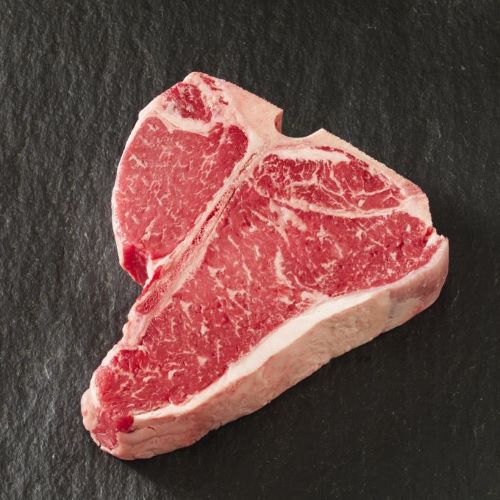
In steakhouses, servers often refer to a porterhouse cut as the best of both worlds, because you’re getting the filet mignon on one side of the cut and a strip steak on the other.
T-bone steaks and porterhouse steaks may look similar, but they’re different cuts. A T-bone is taken from the front end of the short loin, which tapers off, meaning the tenderloin and strip steak sections on a T-bone are smaller than they are on a meatier porterhouse. There are USDA guidelines that determine whether a cut is a T-bone or porterhouse, with porterhouses achieving a minimum width of 1.25 inches.
Because porterhouses are essentially a two-in-one deal, they’re great for individual meals or for serving a crowd. Try cooking one up as part of a dinner for two; you can both sample the filet and the strip, experiencing both tastes and textures. While you could technically take the meat off the bone before cooking, serving the porterhouse as two separate beef cuts, you’d lose all the flavor that bone infuses into the meat during the cooking process. Instead, grill or broil your porterhouse until it reaches your desired temperature. You can then cut each side of the porterhouse into slices, always going against the grain. Reassemble the cuts to look like the steak’s original shape and serve with classic steakhouse sides like sauteed mushrooms and onions, au gratin potatoes, and a dollop of herb butter to bring out the steaks’ innate beefy flavor.
Cooking Methods for Porterhouse Steak
Grilling
A perfectly grilled Porterhouse provides an incredible dining experience and the process is simple. Heat your grill to medium-high heat. Brush the steaks with olive oil and season to your liking. Grill for 6 minutes on each side for a perfect medium-rare.
Broiling
You can certainly broil your Porterhouse and achieve amazing results. Set your broiler to high and allow it to preheat. Then brush the steaks with oil and add seasoning. Even seasoning as simple as salt and pepper can be a perfect addition. Then broil for 8-10 minutes on each side.
Tomahawk Steak
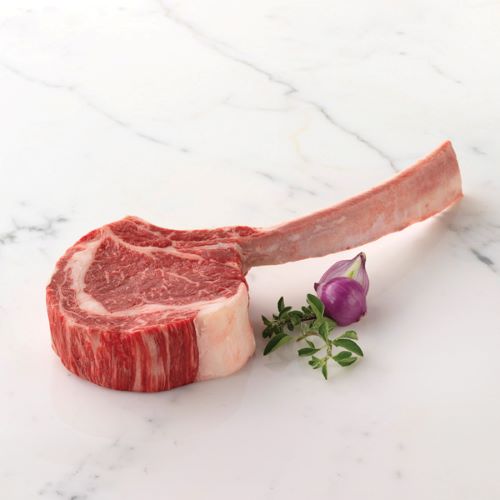
Possibly the showiest cut in your butcher’s display case, the tomahawk steak is easy to spot thanks to the large protruding bone that helps give the steak its name. This steak is actually a souped-up bone-in ribeye, carved from the same section of beef rib as other ribeyes but with a larger section of bone left attached and frenched for a jaw-dropping presentation that’s both striking and elegant.
The tomahawk cut goes by a few other names too, including cowboy steak. Some cooks call it the Flintstone cut in another nod to the steak’s impressive size.
Cooking Methods for Tomahawk Steak
Grilling
Tomahawk steaks are typically cooked similarly to Ribeyes which means they’re often grilled to achieve their amazing flavor. Simply set your grill to medium-high heat, add oil and seasoning, and place on the grill. The difference with a Tomahawk steak is, of course, the bone. Be sure to wrap the bone in tin foil to prevent the bone from charring. Tomahawks are often thicker so use a thermometer to reach the preferred temperature.
Broiling
Broiling is another great option and a commonly used cooking method for long bone steaks like Tomahawks. Preheat the broiler, season your Tomahawk, wrap the bone in tin foil, and then place the steaks on a broiler pan and broil until they reach the temperature that you prefer.
Pan Searing and Roasting
Pan searing and roasting your Tomahawk steaks are a fantastic way to bring out the flavor of the steak. Season on both sides and then place the Tomahawk in a preheated cast iron skillet with some oil or butter. Sear the Tomahawks and then place them in the oven. Use a thermometer to closely monitor temperatures as it can be easy to overcook during the roasting process.
Sirloin Steak
Sirloin steak, a highly regarded cut from the cow's rear, strikes an exceptional balance between flavor and tenderness. It is located between the short loin and the rump, offering a distinct taste that sets it apart from other beef cuts. The sirloin is divided into top and bottom sections, with the top loin (or top sirloin) being particularly tender, making it a sought-after choice for those desiring a tender steak without the higher cost associated with cuts like the ribeye.
What distinguishes sirloin steak is its perfect blend of lean meat and flavorful fat, resulting in a rich and tender culinary experience. The cut's versatility allows for a variety of cooking methods, with grilling and pan-frying being among the best to enhance its natural flavors.
Cooking Methods for Sirloin Steak
Grilling or Pan Frying
To fully appreciate a sirloin steak, grilling or pan-frying are recommended for creating a crispy exterior while preserving the interior's juiciness. High heat on a grill or a sear in a cast-iron skillet ensures a flavorful crust. Letting the steak rest post-cooking is crucial for a juicier and more flavorful bite, as it allows the juices to redistribute.
Achieving the right doneness—preferably medium-rare to medium—highlights the steak’s character and tenderness. Sirloin's appeal lies in its ability to deliver a delectable steak experience that's both affordable and adaptable to various dining occasions. Its combination of flavor, tenderness, and value makes sirloin steak a standout choice, embodying a satisfying blend of culinary delight and practicality.
How to Choose the Best Steak Cut
Determining the best cuts of steak depends on what you’re looking for and what you want to do, but there are a few other criteria you should consider as well.
Marbling
Marbling is an almost artsy way to describe the pattern of intramuscular fat that dots meat like beef. Look at a steak in the market and you’ll see that the red flesh of your go-to cut is streaked with areas of white. Those streaks are fat, or marbling.
Marbling is important because fat equals flavor, but it’s not enough that a cut has marbling. It’s also important how that marbling is distributed. Unlike intermuscular fat, those fatty flaps you generally trim off the edge of a cut of meat before you cook it, intramuscular fat or marbling melts into the steak as it cooks. That affects everything from taste and texture to how juicy and flavorful the meal ultimately is.
Grade
The United States Department of Agriculture has created a beef grading system that helps consumers understand what they’re buying. The system is voluntary, but producers who opt in must pay for a trained inspector to look at and grade beef as it’s readied for sale.
There are eight total USDA beef grades, but you only need to be familiar with three:
-
Prime: The highest possible grade, associated with highly marbled and extremely tender cuts
-
Choice: The most widely available beef grade, with good marbling and tons of versatility
-
Select: This label applies mostly to grocery store beef and signifies a leaner cut that usually need a moist cooking method to prevent a dry, tough result
Thickness
The thicker your cut of steak, the more leeway you have when cooking it to the desired doneness. Thick steaks can be seared until golden brown and delicious without overcooking the inside, while thinner cuts require a deft hand to avoid the steak hitting well-done status within minutes of hitting the pan.
Cuts under an inch thick should be reserved for wet preparations like braising or fast cooking like a stir fry to help keep the meat moist and tender.
Price
Pound for pound, filet mignon is usually the most expensive cut of steak followed by strip steak, ribeye, and porterhouses. Tomahawk cuts are quite pricey thanks to the quality as well as the additional weight of the thick cut and that hefty bone. Bone-in ribeye often seems pricier than boneless ribeye cuts when you see the two displayed side by side, but bone-in ribeye is actually less per pound. In other words, you’re paying less on an ounce-by-ounce basis for the meat on a boneless ribeye versus a bone-in ribeye, but many people think the additional flavor that comes with meat on the bone is worth spending a few extra bucks.
What Are You Making?
Steak isn’t just a cut of meat, it’s an experience. The type of steak cut you choose will play a huge role in how your meal comes together, but you also have to consider how you’ll be cooking it, what you’ll serve it with, and even what you’ll drink while you dine.
The more complex your cooking method or recipe is, the less pristine your cut needs to be. A USDA Prime filet that’s completely trimmed can be cooked, topped with a sauce, and served in a matter of minutes. Other preparations may call for lesser-known cuts like a hanger steak or tri-tip, both of which are mouthwateringly good once seasoned or marinated and thrown on the grill.
Sometimes, you may use a cut of beef that’s not a steak at all, like a chuck roast or rib roast. Season generously, place in a roasting pan with potatoes, carrots, and onions, and cook in the oven until the meat reaches temp and the veggies are tender.
Order The Best Cuts of Steak Online Today
At Allen Brothers, we know that your meal is only as good as the steak you start with. Since 1893, we’ve delivered the best cuts of steak to restaurants and private customers alike, never compromising on quality and remaining steadfastly committed to excellence.
For more information on cooking the perfect steak, check out our expert grilling guide .
FAQ
How Does The Location of The Cut Affect The Beef?
Beef is primarily made up of fat and muscle. Cuts that come from a harder-working part of the animal will be tougher, while cuts that originate in an area that gets less of a workout are often more tender.
As a general rule, beef tenderloin is the most tender, supple steak cut available, and the meat gets tougher as you radiate out from the central, protected point on the cow.
What Is Aging and What Ways Can Steak Be Aged?
In the beef world, aging refers not to the number of years a cow has been roaming the pasture but rather how long the steak itself has been stored and in what conditions.
Most experts agree that aging a steak improves both its texture and taste. Basically, the same enzymatic process that breaks meat down over time as it sits in your fridge can be controlled to make a better steak.
There are two main ways to do that:
- Wet aging sees beef vacuumed sealed in an airtight bag. The meat is protected from oxygen and bacteria that can lead to spoilage and left to age in its own juices. Wet aging is like turning up the volume on the steak's natural flavor while also producing a more tender result.
-
Dry aging sees cuts of beef aged without any kind of wrapping or packaging. Instead, the cuts are hung in a carefully controlled environment with temperature, humidity, and light all meticulously monitored to create optimal aging conditions. Dry aging reduces the amount of beef on the cut, as some of the dried out “rind” of the meat must be trimmed off before the cut is sold or cooked, but the resulting earthier, nuttier flavor profile is considered well worth the trade off.
How Does A Cow’s Diet Affect The Meat It Provides?
They say you are what you eat, and to an extent, that’s also true of cows. When you’re perusing cuts of steak, you’ll likely come across labeling that describes how the cows ate, with most cattle being grass-fed, grain-fed, or a combination of the two.
Grass-fed cattle eat, well, grass. The result is a leaner meat that’s said to be earthier, with the lower fat content leading to a steak that’s a little less juicy and less tender than grain-fed beef.
Grain is a popular way to fatten up cows and offset some of the less-desired traits of a grass-led diet. Cows raised or finished on grain are usually fattier, which means more flavor and less chew.


