

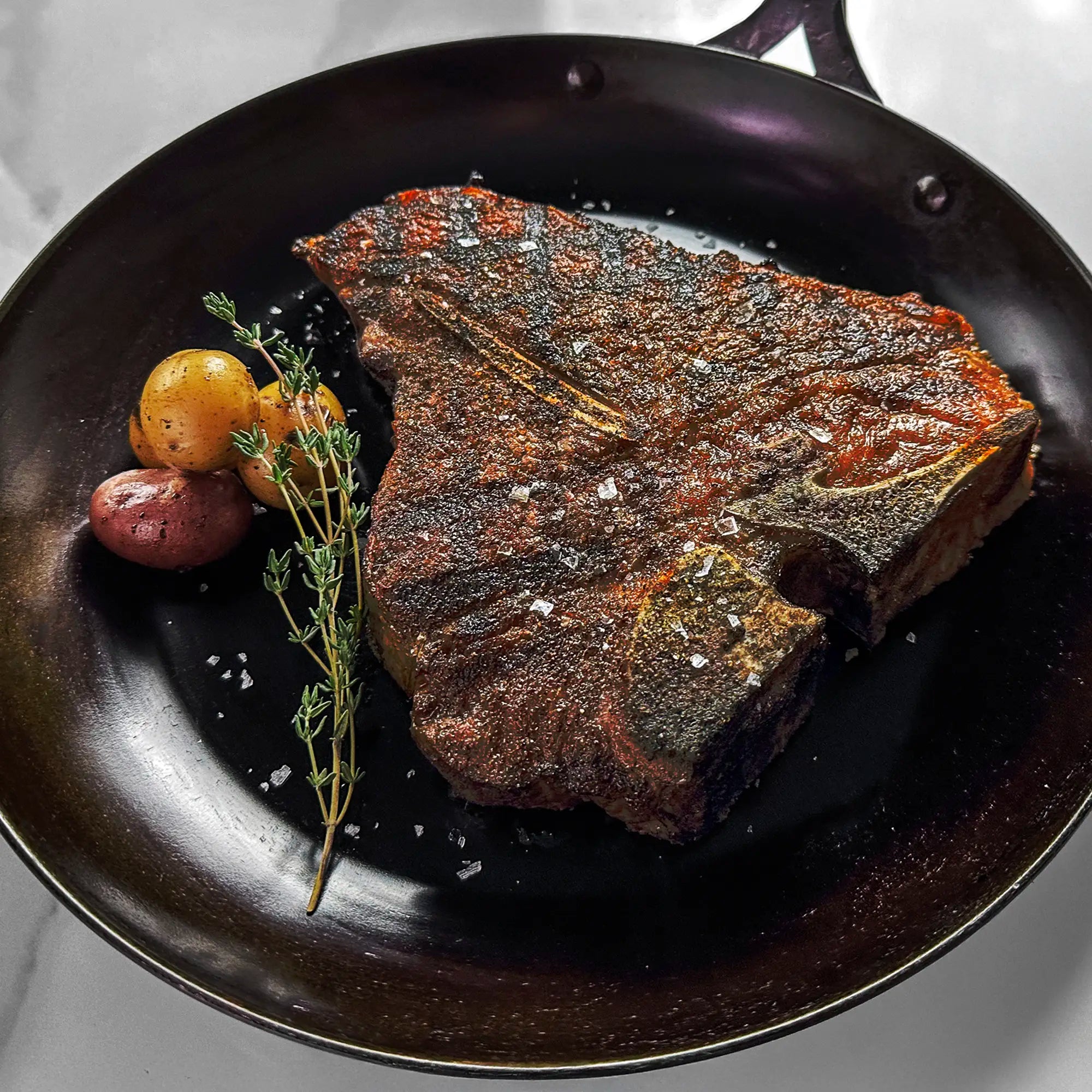
How to Reverse Sear a Steak at Home Like a Pro
If you’ve ever wondered how the world’s best steakhouses achieve a perfectly pink center and deeply caramelized crust, the answer may be the reverse sear. This cooking method has become a favorite among chefs and home cooks alike because it delivers exceptional consistency, edge-to-edge doneness, and an impressive crust without overcooking the interior.
Whether you’re preparing a thick-cut ribeye, strip steak, or filet mignon, learning how to reverse sear a steak is one of the easiest ways to elevate your grilling and cooking skills.
What Is Reverse Searing?
Reverse searing is a two-step cooking technique that starts with gently bringing the steak to temperature over low heat before finishing it with a high-heat sear. Unlike the traditional method of searing first and then finishing in the oven, reverse searing does exactly the opposite.
The result is a steak with:
-
A uniform pink interior from edge to edge
-
A crisp, flavorful crust
-
Better control over the final doneness
-
Reduced risk of overcooking
This technique works especially well for steaks that are at least 1½ inches thick.
Why Reverse Sear Instead of Traditional Searing?
Starting low and slow allows the steak to cook evenly throughout. The surface also dries slightly during the initial cook, making it easier to develop a rich, golden-brown crust during the final sear.
Benefits of reverse searing include:
-
More even cooking
-
Superior crust development
-
Greater precision for medium-rare or medium steaks
-
Less carryover cooking after the steak is removed from heat
How to Reverse Sear a Steak
1. Prepare the Steak
Remove the steak from the refrigerator and pat it dry with paper towels. Season generously with kosher salt and freshly cracked black pepper. If desired, let the seasoned steak rest uncovered in the refrigerator for several hours to further dry the surface.
2. Cook Low and Slow
Place the steak in an oven set to 250°F or on the cool side of a grill using indirect heat. Cook until the internal temperature is about 10–15 degrees below your target finish.
General guidelines:
-
Rare: remove at 110°F
-
Medium-rare: remove at 120°F
-
Medium: remove at 130°F
An instant-read thermometer provides the most accurate results.
3. Sear Over High Heat
Heat a cast-iron skillet or grill until extremely hot. Add a small amount of high-smoke-point oil if using a pan.
Sear the steak for 45–90 seconds per side until a deep brown crust develops. Sear the edges briefly as well for maximum flavor.
For added richness, finish with butter, garlic, and fresh herbs during the final moments of cooking.
4. Rest and Serve
Allow the steak to rest for 5 to 10 minutes before slicing. This helps the juices redistribute throughout the meat for a tender, flavorful bite.
Best Steaks for Reverse Searing
While reverse searing can work with many cuts, it shines with thicker steaks, including:
-
Ribeye
-
New York Strip
-
Filet Mignon
-
Porterhouse
-
T-Bone
-
Bone-In Ribeye
Steaks at least 1½ inches thick produce the best results.
Reverse Sear Temperature Guide
| Desired Doneness | Pull from Low Heat | Final Temperature |
|---|---|---|
| Rare | 110°F | 120–125°F |
| Medium-Rare | 120°F | 130–135°F |
| Medium | 130°F | 140–145°F |
| Medium-Well | 140°F | 150–155°F |
Common Reverse Sear Mistakes
-
Using steaks that are too thin, which cook too quickly to benefit from the method.
-
Skipping the thermometer and relying solely on timing.
-
Failing to dry the steak before searing, resulting in less browning.
-
Not heating the pan or grill enough before the final sear.
-
Over-searing, which can negate the benefits of the gentle initial cook.
Frequently Asked Questions
Can you reverse sear on a grill?
Yes. Cook the steak over indirect heat until nearly done, then move it directly over hot coals or high flames to develop a flavorful crust.
Is reverse searing better than grilling?
Neither method is universally better, but reverse searing offers more precise control and often produces a more evenly cooked steak with a superior crust, especially for thick cuts.
Do you need a cast-iron skillet?
No. A blazing hot grill or heavy stainless steel pan can also create an excellent sear, though cast iron retains heat particularly well.
The Bottom Line
Reverse searing is one of the most reliable ways to cook a thick steak to perfection. By slowly bringing the meat to temperature before finishing with an intense sear, you achieve the combination every steak lover wants: a beautifully caramelized crust and a juicy, tender center cooked exactly to your preferred doneness.
Once you master the reverse sear, it’s a technique you’ll reach for again and again whenever you want steakhouse-quality results from your own kitchen or backyard grill.


